On Apparatus, Accident, and the Aesthetics of the Uninvited
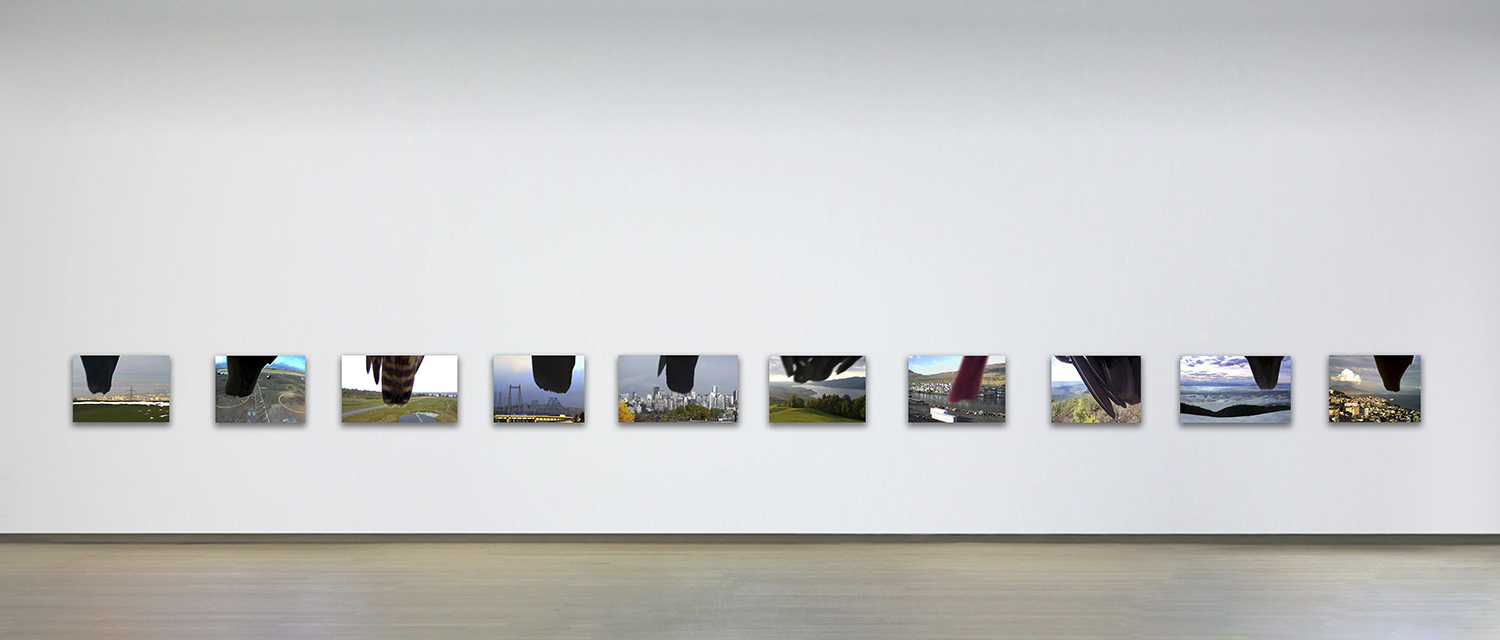
The INSECT + BIRD series investigates something that most photography takes entirely for granted: the camera as a physical object in the world, with a body, a surface, a temperature, and a location. Surveillance cameras are, in the vast majority of cases, mounted high on walls, building facades, lamp posts, and gantries — fixed at elevations accessible only by crane or ladder, exposed continuously to wind, rain, frost, sun, and the full range of conditions that constitute outdoor existence. They are, in the most literal sense, inhabitants of an environment.
The Apparatus as Habitat
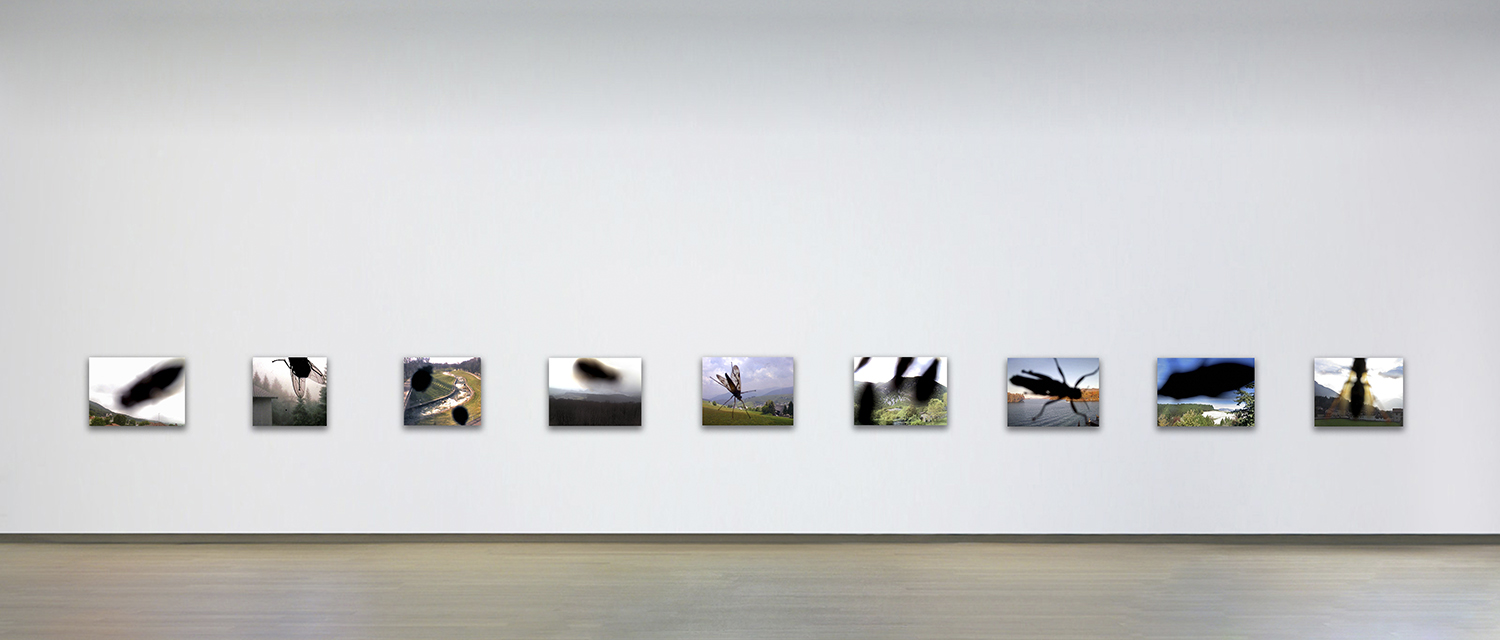
Insects, spiders, and other small creatures do not recognise the camera as a camera. They recognise it as a surface: warm or cool, sheltered or exposed, textured or smooth — a place that may, in the logic of their own navigation, offer purchase, shelter, or simply a path from one point to another. A lens is, to a spider, a concave surface of unusual smoothness. A sensor housing is, to a beetle, a wall with a particular microclimate. The junction between camera body and mounting bracket is, to an ant, a corridor.
When these creatures move across the lens or come to rest in front of the sensor, the camera does what cameras do: it records. The result is an image that no photographer could have planned, staged, or anticipated — an image produced entirely by the intersection of two systems, the optical-mechanical and the biological, that are utterly indifferent to one another. The insect does not perform. The camera does not choose. The image that emerges from this encounter has a quality that is genuinely beyond intention: a collaboration, if it can be called that, between a machine built to see and a creature that has no idea it is being seen.
What the Apparatus Reveals
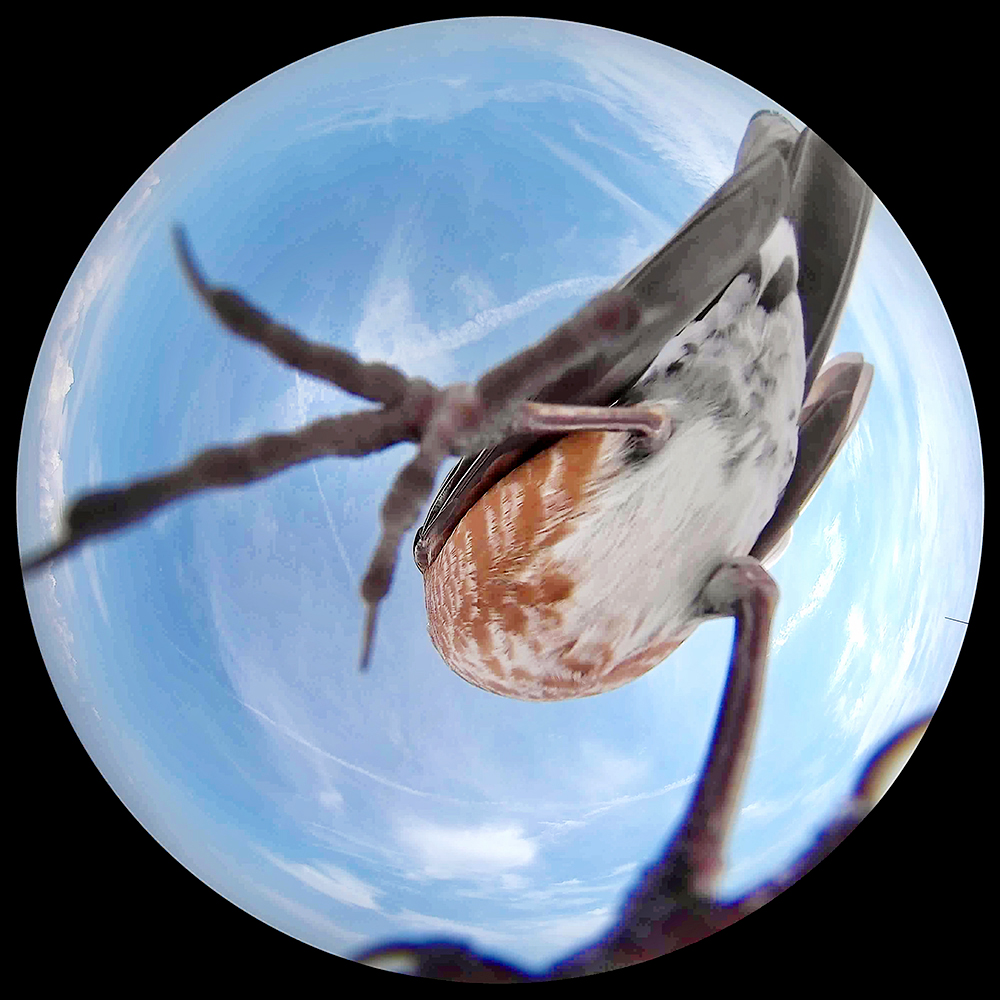
What the INSECT + BIRD series ultimately makes visible is a property of photographic apparatus that is usually suppressed in the finished image: the fact that the camera is a thing. Photography, in most of its conventions, asks us to look through the apparatus rather than at it — to treat the lens as a transparent window onto a world beyond. The insect or the bird on the lens refuses this convention. It forces the apparatus into the foreground, making the glass, the housing, the physical presence of the machine an inescapable part of the image. The picture is no longer simply of something; it is also of the means by which it was made.
This produces an aesthetic that has no real equivalent in conventional photography. They arise from the specific conditions of an unattended, fixed, exposed apparatus left alone in the world long enough for the world to begin using it.
Indifference as Method
There is a kind of methodological lesson in this, and it is one that runs through the broader practice from which the series emerges. The camera operators who installed these devices had no interest in insects; their agenda was entirely other. The insects had no interest in the camera; their agenda was entirely other too. Neither party intended the images that resulted.
And yet these images exist, captured by a device that was originally built for surveillance and has now been quietly repurposed, in accordance with the logic of ecology and optics, into something more akin to a portrait studio for uninvited guests.
The world creates its own images when given enough time and enough indifference to human intentions.
The INSECT + BIRD series shows what these images look like.
.