NO VIDEO Series:
Error Messages as Involuntary Image Critique
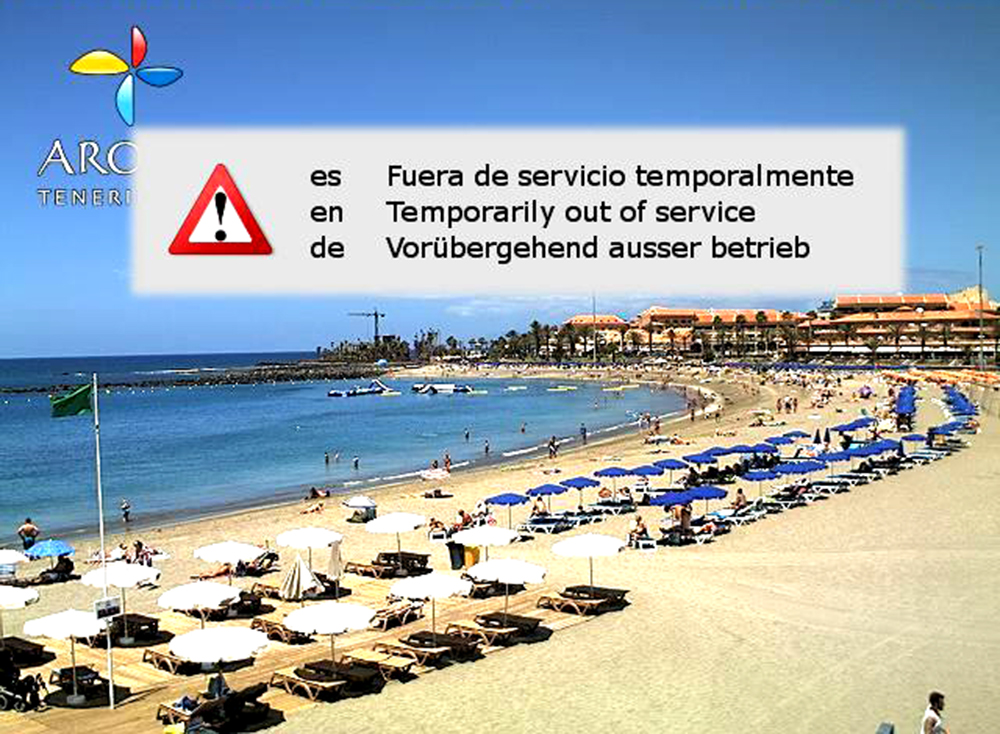
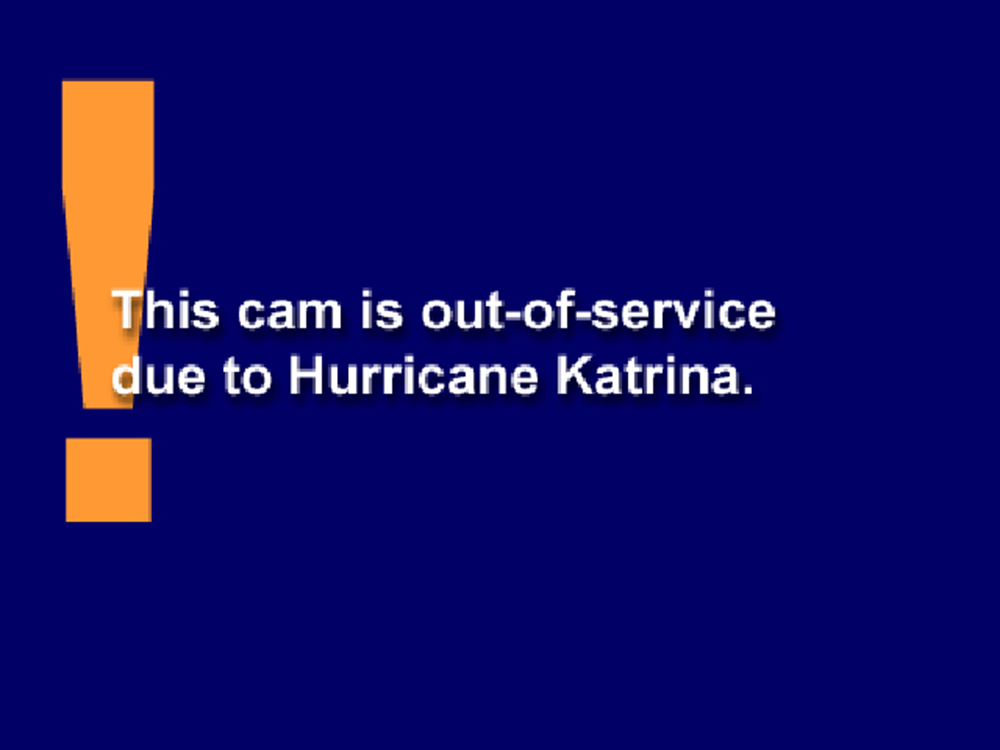
It occasionally happens that networked cameras go offline - disabled by technical failure, power interruption, or simple neglect - and cease transmitting live images to the web.
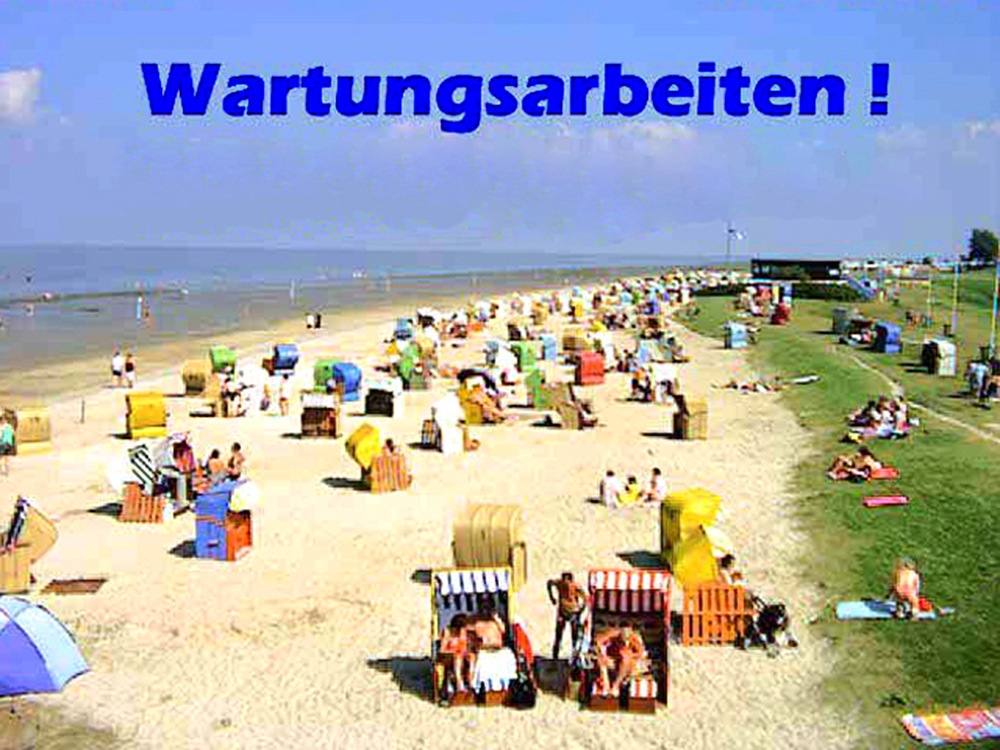
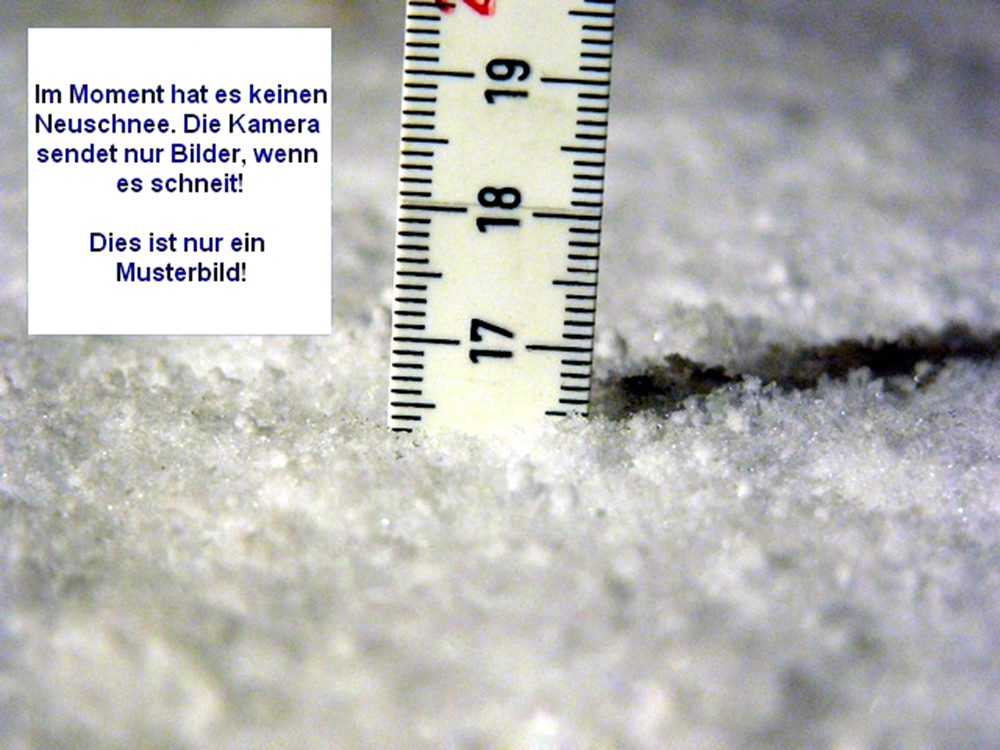
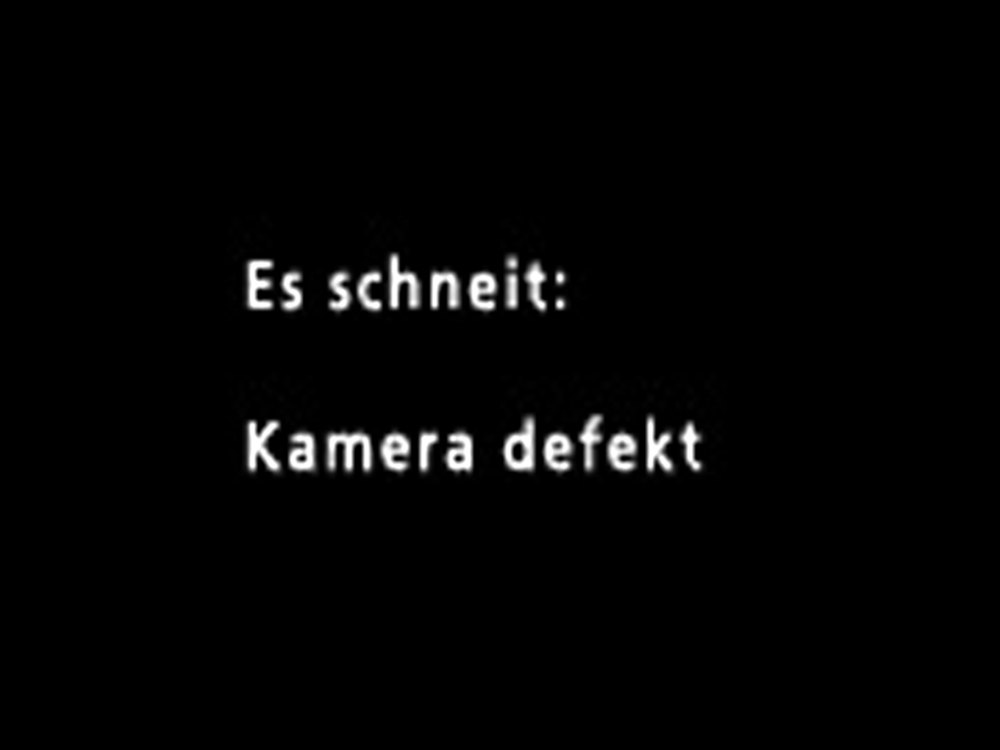
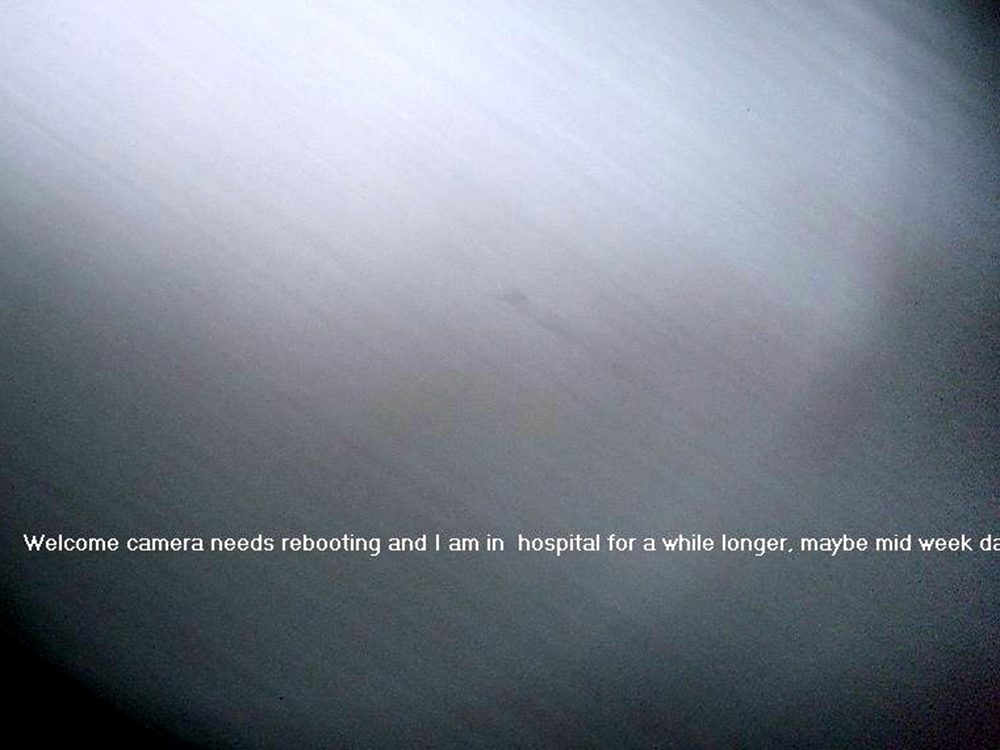
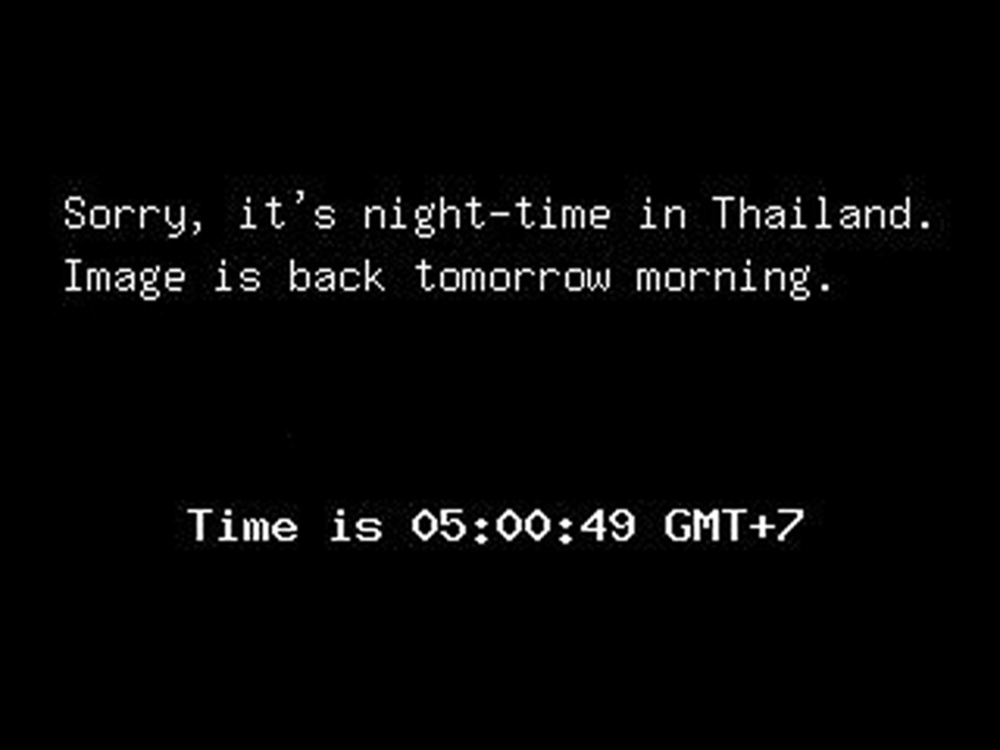
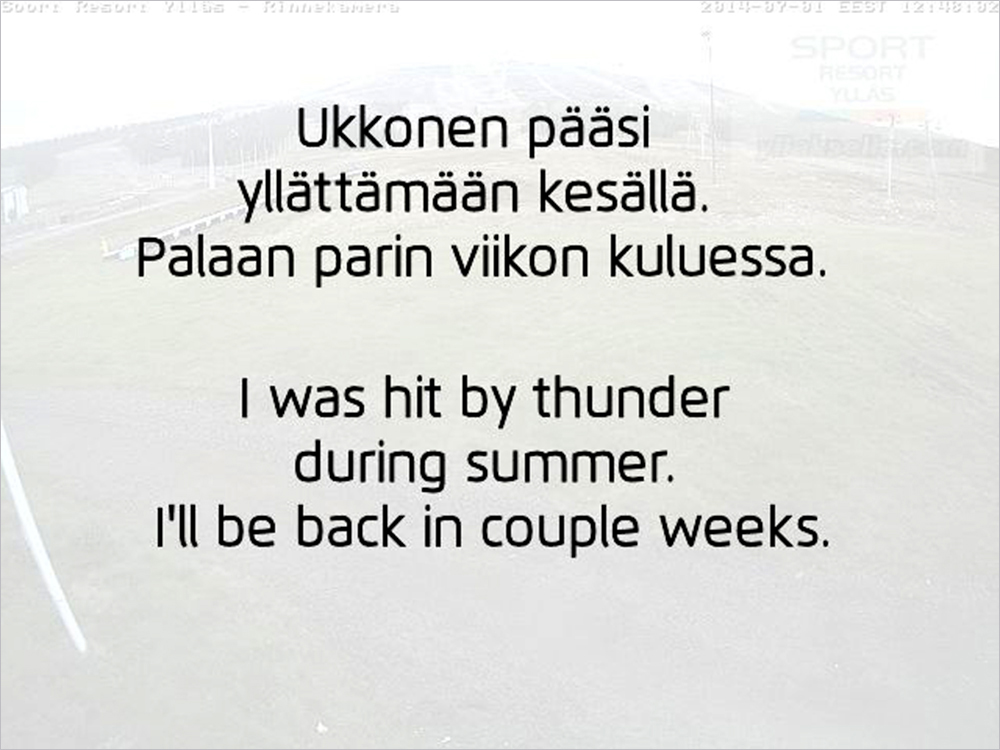
In such cases, the camera operators substitute an error message for the absent image, routing a notification of the malfunction to the same address that would otherwise deliver a view of the world.
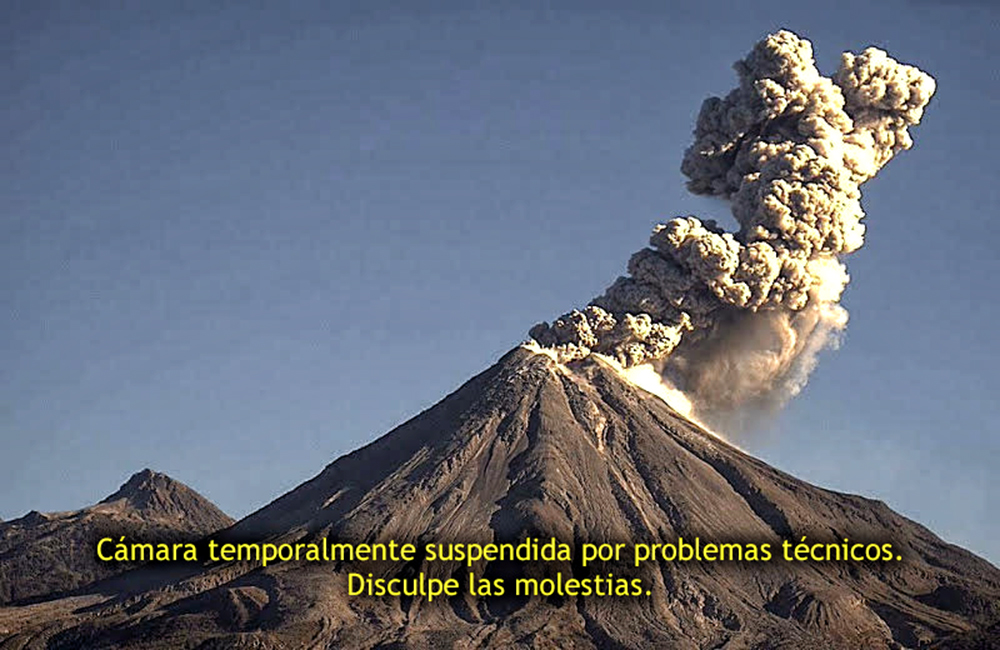
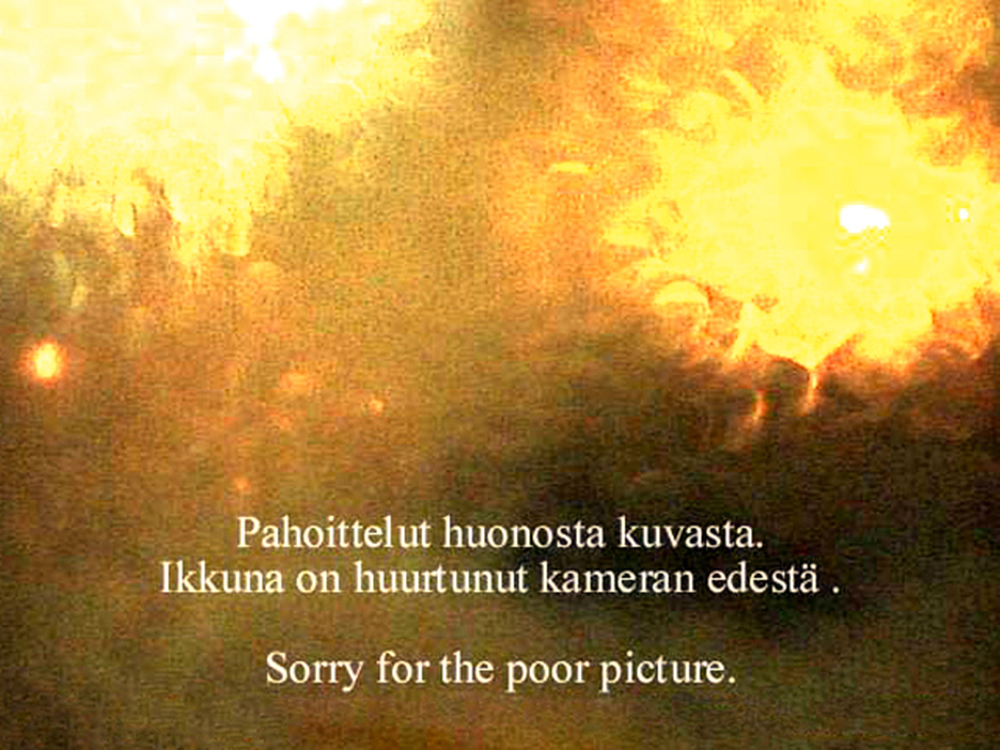
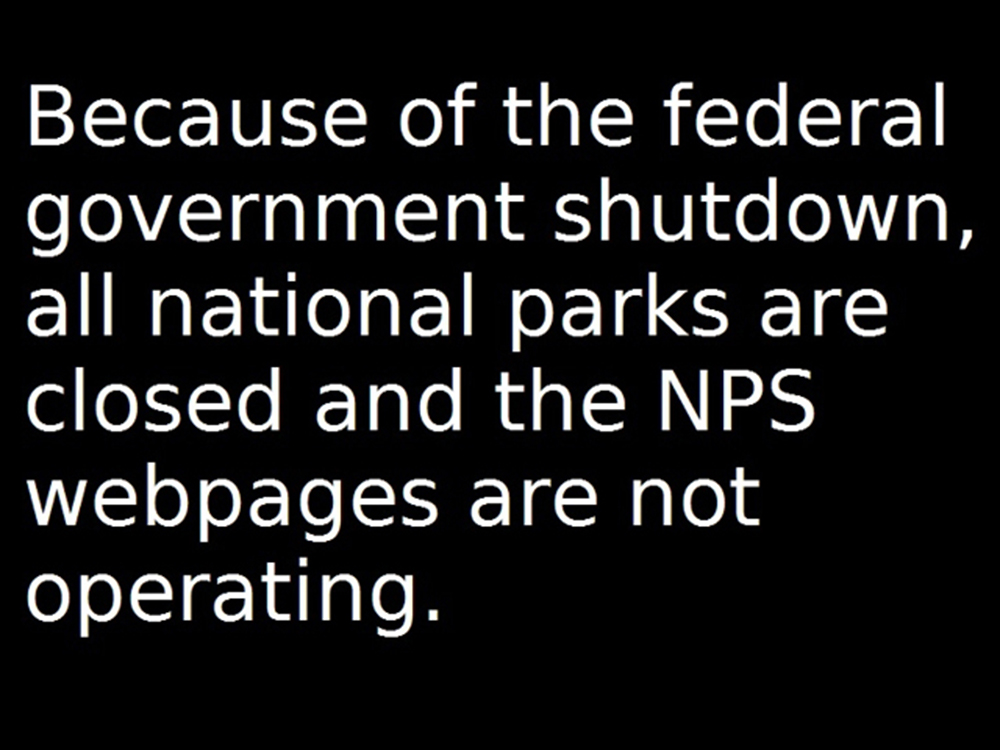
These error messages - which are stored and transmitted as image files, occupying precisely the same format and position as the photographs they replace - announce their condition in strikingly varied ways: sometimes with blunt economy, sometimes with elaborate technical detail; sometimes accompanied by a placeholder image, sometimes rendered as pure text on a blank field.
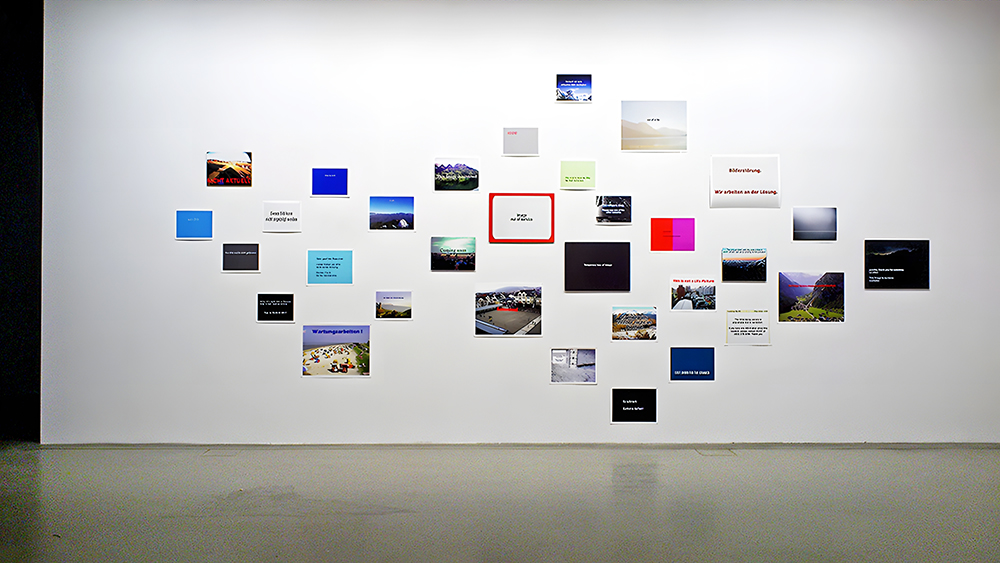
What is striking about these documents is what happens to them when they are removed from their functional context. Printed and hung on the wall of a gallery or museum, they undergo a decisive transformation. Stripped of their original purpose - the notification of an absence, a prompt to the technician, a holding place for a feed not yet restored - they become something else entirely: involuntary image-objects that reflect, with unexpected depth, on the nature of pictures as such.
A framed photograph bearing nothing but the words 'kein Bild' - no picture - immediately unfolds a whole catalogue of questions that its operators never intended to pose.
What is a picture when there is no picture? What does a frame contain when it contains only the announcement of its own emptiness? Where does an image begin - with the camera, with the transmission, with the act of reception?
The error message, designed to be temporary and functional, becomes, in the gallery, a meditation on origin, essence, and the conditions under which an image comes into being at all. Its authors - the camera owners, the network administrators, the manufacturers of surveillance hardware - produced these provocations entirely without meaning to.





.jpg)
.jpg)
.jpg)
.jpg)
.jpg)
.jpg)
.jpg)
.jpg)
.jpg)
.jpg)
.jpg)